
Wine Refrigeration Repair in Houston, TX
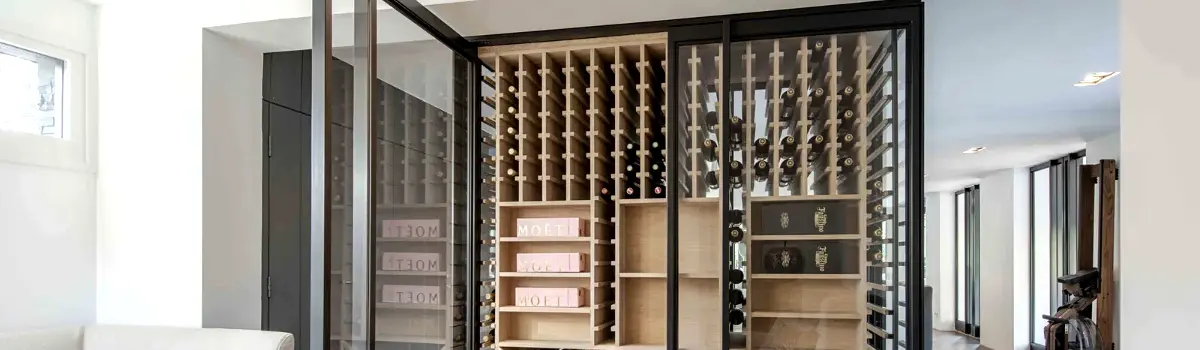
A wine cooler is built around stability, not just cold. When that stability drifts, bottles warm, condensation appears, labels get damp, or the cabinet starts running harder than it should—even if the display looks normal.
Houston Appliance Repair provides wine cooler and wine cabinet repair in Houston, TX focused on restoring stable temperatures, proper airflow, correct sealing, and dependable cabinet performance—verified under real conditions, not just after a reset.
Need help now? Call (281) 916-3118 or book online. Share the symptom, the brand, and whether the unit is under-counter, built-in, freestanding, single-zone, or dual-zone, and the visit can be routed correctly from the start.
Wine Cooling Systems We Service
Wine refrigeration platforms fail differently depending on cabinet design, airflow path, and installation style.
Appliance types serviced include:
- under-counter wine coolers
- built-in wine coolers
- panel-ready wine cabinets
- freestanding wine coolers
- single-zone wine coolers
- dual-zone wine coolers
- wine columns
- compact wine refrigerators
- beverage and wine combination units where applicable
If the exact model is not handy, a quick photo of the model tag inside the door frame is usually enough.
Brands We Repair — Residential, Premium & Specialty Wine Platforms
Houston homes use everything from compact everyday wine coolers to premium built-in wine storage systems.
Popular wine cooler brands: U-Line, Zephyr, Perlick, Marvel, Danby, Vinotemp, Kalamera, EdgeStar, and similar residential wine platforms.
Premium and luxury brands: Thermador, Monogram, JennAir, Viking, Miele, Bosch, Liebherr, Dacor, Fisher & Paykel, and similar high-end wine storage platforms.
If your brand is not listed, that does not make the problem unusual. The cabinet type, zone setup, airflow pattern, and real symptom usually matter more than a short brand list.
What Homeowners Usually Notice First
Most wine cooler problems do not begin with total failure. They usually begin with changing storage conditions.
| What You Notice | What It Often Points To | Priority |
|---|---|---|
| One zone feels warmer than the other | Dual-zone sensor / airflow / control issue | High |
| Display looks normal, but bottles do not feel right | Sensor drift / actual temperature mismatch | High |
| Cabinet runs constantly | Heat rejection / sealed-system / airflow stress | High |
| Condensation on glass or around door | Seal weakness / humidity imbalance | Medium |
| Labels feel damp | Excess humidity / poor circulation | Medium |
| Musty odor building inside | Moisture retention / drainage / airflow issue | Medium |
| Frost appears where it should not | Defrost / seal / circulation issue | High |
| Unit gets louder than usual | Fan motor / compressor strain | Medium |
| Cabinet starts beeping or showing errors | Electronic fault detection / control issue | High |
That is why a strong wine cooler repair page should reflect what homeowners actually notice — not just whether the unit still powers on.before the unit fully falls out of range.
Why Wine Cooling Problems Escalate Faster Than People Expect
Wine storage depends on consistency. A unit does not need to feel dramatically broken to move outside the conditions your bottles need.
| Small Problem | What It Often Leads To |
|---|---|
| Minor temperature drift | Unstable storage conditions over time |
| Slight door seal weakness | Warm-air entry and added moisture load |
| Poor heat exhaust in built-in space | Longer runtimes and cooling stress |
| Fan runs weakly or unevenly | Poor circulation and hot spots |
| Humidity imbalance | Damp labels, odor, or condensation |
| Constant long cycling | More wear on fans, controls, and compressor parts |
That is why wine cooler repair should not end with “it feels cold again.” The goal is stable cabinet behavior — proper airflow, correct sealing, accurate temperature control, and quiet, predictable operation.
Real-World Wine Cooler & Wine Cabinet Problems
Warm Cabinet / Temperature Drift
This is one of the most common wine cooler complaints because it often starts subtly. The display still shows the target temperature. The cabinet still feels somewhat cool. But the bottles are warmer than they should be, or the cabinet seems to struggle more every day.
That usually means the system is no longer holding conditions the way it was designed to. The issue may be airflow, heat-dump restriction, sensor behavior, or a cabinet that is overworking because the install environment is working against it.
Common causes include:
- condenser dust buildup
- poor ventilation in built-in installations
- nearby heat sources such as ovens or direct sun
- shelves loaded in a way that blocks airflow
- fan behavior no longer supporting stable circulation
- sensor drift or control behavior that looks normal on the display but not in the cabinet
What a proper repair should accomplish:
Stable setpoints under normal operation, not just a brief cold reading. Airflow, fan behavior, heat release, and temperature control all have to make sense together.
One Zone Off / Dual-Zone Problems
Dual-zone cabinets are especially sensitive because one section can seem fine while the other drifts warm, runs too cold, or swings back and forth. This is one of the most frustrating wine storage issues because it creates doubt about the whole cabinet even when half of it still appears normal.
Dual-zone problems are rarely random. They usually point to airflow imbalance, sealing issues, level problems, or sensor and control behavior that is affecting one section differently than the other.
Common causes include:
- door seal leaks feeding humid air into one zone
- blocked vents or shelf placement disrupting internal flow
- cabinet not level enough for doors to seal evenly
- one-zone sensor drift
- control behavior that is no longer balancing the cabinet correctly
What a proper repair should accomplish:
Both zones should hold their targets consistently under real use, not just look acceptable for a few minutes after the unit starts cooling.
Condensation / Wet Labels / Musty Odor
Wine storage should feel stable, not damp. If the glass keeps fogging, labels are getting wet, or the cabinet develops a stale or moldy smell, humidity is entering or lingering where it should not.
That problem often comes from sealing, leveling, airflow, or door-open behavior interacting with Houston humidity. Once moisture starts building, the cabinet becomes harder to stabilize and the storage environment becomes less trustworthy.
Common causes include:
- door gasket leakage
- the cabinet sitting out of level
- airflow patterns creating cold and warm pockets
- repeated long door-open cycles
- internal moisture not clearing properly during normal operation
What a proper repair should accomplish:
The cabinet should stay drier, more stable, and less prone to recurring moisture buildup through a full cooling cycle.
Frost / Ice Build-Up / Bottles Too Cold in One Area
Ice where it should not be usually means humid air intrusion, airflow collapse, or a defrost or sensor-related problem on certain platforms. In some cases, bottles in one area start running colder than the rest of the cabinet, which is often another sign that airflow balance has broken down.
Common causes include:
- a door not sealing squarely
- humid air entering during long openings
- blocked vents creating cold corners
- airflow collapse around evaporator surfaces
- sensor or defrost behavior drifting off normal on certain models
What a proper repair should accomplish:
Correct sealing, correct airflow, and a cabinet that stabilizes without recurring frost or isolated over-cold spots.
Loud Noise / New Rattle / Constant Running
Wine coolers are expected to be quieter than many kitchen appliances. When the cabinet starts humming harder, rattling, vibrating through the cabinetry, or running almost nonstop, it usually means it is struggling to dump heat or the installation is amplifying vibration.
This is not just a noise problem. Longer run times and heat stress often show up as sound before they show up as a full cooling complaint.
Common causes include:
- dirty condenser causing longer run times
- tight niche conditions amplifying vibration
- cabinet not level
- lines, trim, or panels touching the chassis
- fan behavior becoming louder because airflow is restricted
What a proper repair should accomplish:
Quieter, steadier operation with doors closed and the unit under normal load — not just a temporary reduction in noise while empty.
Error Codes / Beeping / Stops Cooling
Some wine units protect themselves when sensor readings drift, fans stall, ventilation is poor, or electronics are stressed by constant overwork. To a homeowner, this often looks like the cabinet randomly beeping, flashing an error, or suddenly stopping cooling.
In many cases, the real cause is not the code itself but the condition that triggered it.
Common causes include:
- fan or sensor issues
- chronic overheating from poor ventilation
- power dips or surge-related stress
- control behavior under constant duty
- temperature instability forcing repeated protection behavior
What a proper repair should accomplish:
The true trigger should be identified under real operating conditions, not just cleared from the display.
What We Repair
Common wine cooler and wine cabinet repair issues include:
- warm cabinet conditions
- temperature drift
- dual-zone imbalance
- constant running
- condensation and humidity problems
- wet labels and moisture buildup
- frost or ice in the cabinet
- fan issues and abnormal noise
- door sealing and leveling problems
- sensor and control behavior
- error codes and beeping
- ventilation problems in built-in installs
What a Proper Wine Cooler Repair Should Feel Like
After a correct repair, the cabinet should feel stable again in ways the homeowner can actually notice:
- the temperature should feel believable, not questionable
- one zone should not fight the other
- the unit should run more calmly and less constantly
- condensation should improve instead of returning every cycle
- labels should stay drier
- the cabinet should sound quieter and more settled
- the display and the actual cabinet conditions should make sense together
- the whole appliance should feel like stable storage again, not a system under stress
That is a better standard than simply saying the cabinet “still gets cold.”
How Service Works
1. Start with the symptom
Temperature drift, warm cabinet, one zone off, condensation, frost, noise, nonstop running, or error behavior.
2. Match the wine platform correctly
Under-counter, built-in, freestanding, single-zone, dual-zone, or wine column.
3. Diagnose the actual failure
Airflow, sealing, leveling, fan performance, sensor drift, temperature control, ventilation, or zone-balance behavior.
4. Approve the repair clearly
A written estimate comes first, with a straightforward explanation of what failed and what is needed.
5. Confirm stable cabinet performance
Temperature behavior, airflow, zone stability, and overall operation should make sense before the job is closed.
Genuine OEM Parts — When Replacement Is Actually Needed
Wine cabinets rely on precise sensors, fans, seals, and control behavior. On premium and dual-zone platforms especially, an off-spec part can create repeat drift, zone instability, noise, or recurring error behavior.
When a component truly needs replacement, genuine OEM parts are prioritized whenever possible and matched by model and serial whenever available.
Why Homeowners Choose Houston Appliance Repair
Wine cooler problems are rarely solved by simply making the cabinet colder. The real goal is stable storage conditions. Service should be careful, clean, and accurate — especially for built-in and premium installations.
We focus on:
- Real diagnosis instead of quick resets
- Clean, cabinet-safe handling for built-in units
- Clear explanation before repair begins
- Verified temperature and stability performance before completion
- Experience across premium, popular, freestanding, built-in, and dual-zone wine coolers
A wine cooler should not leave anyone guessing whether the bottles inside are being stored correctly.
FAQ — Wine Cooler & Wine Cabinet Repair in Houston, TX
Q: Do wine cooler repairs happen on site?
A: Yes. Most wine cooler and wine cabinet repairs are completed in the home, including built-in units with careful cabinet-safe handling.
Q: Why does the display look correct but the bottles feel warmer?
A: Display temperature and real cabinet conditions do not always match when airflow, sensor placement, or temperature control behavior is off.
Q: Is condensation on the glass normal?
A: A small amount can happen in humid conditions, but recurring condensation usually points to sealing, leveling, or airflow problems.
Q: Why is one zone fine but the other is off?
A: Dual-zone systems are sensitive to airflow, sealing, level, and sensor behavior. One zone can drift even while the other still looks normal.
Q: How urgent is a warm wine cabinet?
A: If the cabinet is drifting warm or running nonstop, it is already working harder than it should. Addressing it earlier helps protect both the cooling system and the storage conditions inside.
Q: Do you work on built-in and panel-ready wine units?
A: Yes. Built-in, panel-ready, under-counter, freestanding, and dual-zone platforms are all part of regular service work.
Houston Areas & ZIP Codes
Schedule Wine Cooler & Wine Cabinet Repair in Houston, TX
If the cabinet is drifting warm, one zone is off, condensation is building, or the unit is running harder than it should, it is time to correct the real cause.
Call Houston Appliance Repair at (281) 916-3118 or book online. Share the symptom, the brand, and whether the unit is under-counter, built-in, freestanding, or dual-zone, and the visit can be routed correctly from the start.