
Washer / Dryer Repair in Houston
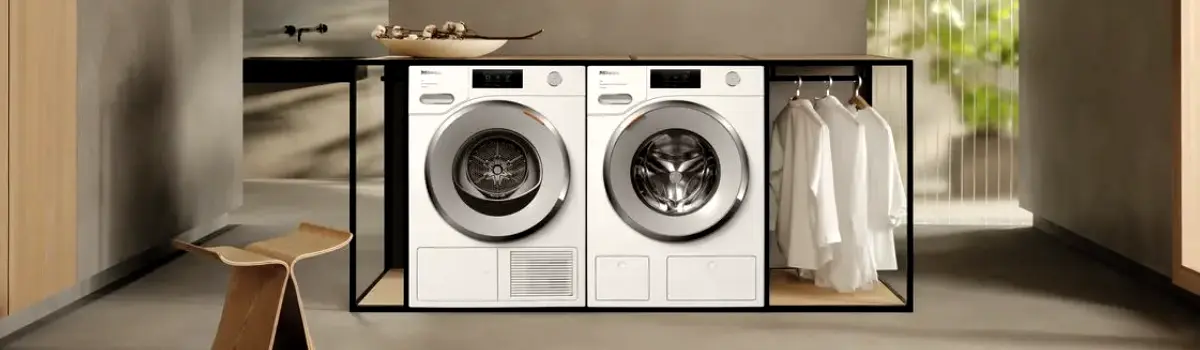
When a washer or dryer stops working, the whole routine falls apart. A washer can stall mid‑cycle with a locked door and water inside. A dryer may still tumble and feel warm but take multiple cycles to dry a single load. What starts as a laundry issue quickly turns into wet floors, musty smells, wasted time, and machines that never quite work right again.
In Houston, these problems escalate faster. Heavy family use, stacked closets, long vent runs, humidity, detergent overuse, and poor airflow all put extra strain on laundry equipment.
Houston Appliance Repair provides washer and dryer repair in Houston, TX focused on one thing: restoring reliable cycle performance and verifying the result before the job is closed—proper drain, proper spin, correct heat, real airflow, and drying you can feel on the next load.
Need help now? Call (281) 916-3118 or book online. Tell us the symptom, the brand, and the setup — front-load or top-load, stacked unit, gas or electric dryer — and we’ll route the call correctly.
Laundry Setups We Service
Laundry problems depend heavily on the setup. A front-load washer fails differently than a top-load machine. A stacked laundry closet hides vent issues longer and runs hotter. Compact units in condos and rentals often behave differently than full-size family laundry. That is why the setup matters before the visit even starts.
We service:
- front-load washers
- top-load washers
- agitator and impeller platforms
- stacked washer and dryer units
- laundry centers
- electric dryers
- gas dryers
- compact laundry systems
- select ventless and specialty laundry platforms
Not sure what you have? A quick model photo or a picture of the data tag usually identifies the platform immediately.
Brands We Repair — Everyday + Premium
Houston homes, rentals, condos, and townhomes use everything from everyday family machines to premium compact laundry systems. We work across both.
Popular everyday brands we commonly see: Whirlpool, GE, Maytag, LG, Samsung, Frigidaire, Amana, Hotpoint, Kenmore, and similar household platforms.
Premium / specialty laundry brands we also service: Speed Queen, Bosch, Miele, and similar compact or specialty systems.
If your brand is not listed, still call. In washer and dryer repair, the important part is the platform and failure behavior — not the badge on the front panel.
What We Repair
Washer Repair
- drain failures
- spin and extraction problems
- balance and vibration issues
- leaks and overflow conditions
- door boot and gasket issues
- musty odor and buildup-related problems
- lock and sensing faults
- cycle-stall behavior
Dryer Repair
- no heat or weak heat
- long dry times
- airflow and vent-related performance problems
- overheating trips
- loud noise from rollers, belt, or support parts
- inconsistent sensor-dry behavior
- poor exhaust performance
Real-World Laundry Problems → What Causes Them → How We Fix Them
Washer Won’t Drain / Water Left in the Tub / Door Won’t Unlock
This is one of the most disruptive laundry failures because it blocks everything. The cycle stops, water stays inside, and the door often remains locked. Homeowners are left staring at a washer full of water they cannot easily empty.
In most cases, this is not a mysterious electronic failure. It is usually a drain path that has gradually been overwhelmed — debris in the pump path, a clogged filter, detergent sludge, pet hair, lint, coins, socks, hairpins, or a hose restriction that finally crossed the line from “slightly weak” to “not draining.”
Common causes we see in Houston homes:
- drain-path debris such as coins, lint, socks, pins, or hair
- clogged pump filter, especially on front-load washers
- detergent overdosing creating sludge and foam problems
- poor hose routing or a kinked drain hose
- partial drain or standpipe issues
Our fix:
We clear the restriction, restore real drain flow, verify pump performance under load, and run a drain and spin confirmation before we close the job. The point is not just to make the error go away — it is to make sure the washer drains, unlocks, and behaves normally on the next real cycle.
Washer Won’t Spin / Clothes Still Soaking Wet
When a washer refuses to spin properly, it is usually protecting itself. Either it cannot drain correctly, it cannot stabilize the drum at speed, or it is failing a safety condition such as a door-lock or lid-sensing problem.
This is especially common in busy households with heavy towel loads, blankets, oversized mixed loads, or years of gradual suspension wear that only becomes obvious when extraction quality drops off.
Common causes:
- unbalanced heavy loads
- repeated overloading
- worn suspension or shock components
- drain problems preventing spin for safety
- lid-lock or door-lock faults
- sensing or control behavior that never lets the unit ramp properly
Our fix:
We identify the real blocker — drain, balance, lock, suspension, or control behavior — correct the actual cause, and verify that the washer reaches a proper high-speed spin with real extraction. The result should not be “the cycle finished, but the clothes are still dripping.”
Washer Leaking — Front, Back, or Underneath
Washer leaks often feel random only because they happen during different phases. Some leaks show up during fill. Others appear only while washing. Others happen only when the machine drains, which is why many homeowners say, “It only leaks sometimes.”
Front-load platforms often leak from the door boot area because of trapped debris, tears, or foam overflow. Back-side leaks often come from hose or connection issues. Drain-phase leaks can come from cracks, loosened clamps, or vibration-related movement.
Common causes we see most often:
- worn or loose fill hose connections
- door boot debris or damage
- too much detergent creating foam overflow
- drain hose cracks or loose clamps
- vibration gradually loosening a connection point
Our fix:
We identify the exact leak path, correct the failed part or connection, and run a controlled cycle test through the phase that was causing the leak. We do not close the job until the washer stays dry where it previously failed.
Musty Smell / Moldy Odor — Especially on Front-Load Washers
A washer that smells bad is not just “old.” In most cases, the problem is moisture and residue collecting in hidden areas — inside the door boot folds, detergent drawer path, pump filter zone, or drain-related areas where stagnant water lingers.
This is especially common when the door stays closed between loads, cold washes dominate, or detergent is used too heavily. Over time, residue builds into a film that traps odor and often contributes to drainage problems later.
Common causes:
- keeping the washer door closed after use
- detergent overdosing
- wrong soap type
- constant cold-only washing
- dirty filter or drain area holding water
Our fix:
We clean the actual problem zones, restore proper drain behavior, and leave realistic prevention guidance that fits real household use — not fantasy-level maintenance nobody will follow.
Dryer Runs but Doesn’t Dry / Takes Too Long
This is one of the most common dryer complaints — and one of the most misunderstood. The drum turns, the unit gets warm, and it sounds like it is working. But clothes still come out damp, drying takes forever, or the machine shuts heat down because it is protecting itself.
In many homes, the real issue is not the heating element. It is airflow. Long vent runs, crushed flex duct behind the dryer, lint buildup, clogged exterior vent hoods, stacked closet installations, and weak exhaust movement all reduce drying performance even when the dryer still appears to heat.
Common causes we see constantly:
- lint restriction in the vent line
- crushed or kinked flex vent
- long duct runs with too many turns
- exterior vent hood blockage
- overloaded drum reducing airflow through the load
- sensor-dry behavior masking weak exhaust performance
Our fix:
We verify heat and airflow together, correct accessible restrictions, inspect safety components, and confirm that the dryer is producing real heat with real exhaust movement. That is what actually dries clothes.
Dryer Loud Noise / Burning Smell / Overheating
A noisy dryer is usually getting louder for a reason. Squealing, thumping, scraping, or grinding often means wear components such as rollers, belt, idler pulley, or blower-related issues. A burning smell often points to overheating from restricted airflow or lint buildup, and that should never be ignored.
In high-use laundry situations, these problems get worse quickly. What starts as an occasional sound becomes a full mechanical failure or repeated overheating shutdown.
Common causes:
- worn rollers
- worn belt or idler pulley
- debris in the blower housing
- lint buildup causing airflow restriction
- long-term heavy use accelerating wear
- vent problems driving the dryer too hot
Our fix:
We isolate the actual noise or overheating source, correct worn mechanical components, restore safe airflow, and test smooth operation with proper temperature behavior before sign-off.
Rental / High-Use Laundry Problems
High-use laundry fails differently than low-use household laundry. In rentals, Airbnb setups, and homes with frequent heavy loads, the issue is often not one dramatic breakdown — it is accumulated stress. Too many oversized loads. Too much detergent. Too little vent attention. Minor drain problems ignored too long. Repeated spin imbalance. Dryer airflow that was never truly corrected.
That is why some laundry equipment seems to “keep having the same issue.”
How we approach it:
We treat high-use laundry as a reliability problem, not just a one-time symptom. That means restoring drain flow, confirming stable high-speed extraction, verifying airflow and vent behavior, addressing wear components under real-use conditions, and testing the machine through a meaningful cycle rather than stopping at a superficial restart.
How Service Works
1. Start with the symptom
Not draining, clothes still wet, no heat, long dry times, leaking, noise, or a burning smell.
2. Match the setup correctly
Front-load or top-load washer, stacked laundry, gas or electric dryer, compact or specialty platform.
3. Diagnose the actual failure
Drain restriction, spin issue, lock fault, airflow problem, vent restriction, overheating, or mechanical wear.
4. Approve the repair clearly
A written estimate comes first, with a straightforward explanation of what failed and what is needed.
5. Verify real operation
Drain, spin, heat, airflow, and drying performance should be confirmed before the job is closed.
Need service now? Call (281) 688-6685 or request service online.
Genuine OEM Parts — Correct Fit, Correct Function
Washers and dryers rely on accurate control behavior, proper drainage, correct sensor response, reliable lock operation, stable mechanical movement, and safe heating performance. A part that is merely “close enough” can create repeat errors, weak performance, short service life, or strange intermittent problems that waste time later.
That is why we prioritize genuine OEM parts whenever replacement is truly needed.
Why OEM matters in laundry repair
- correct fit for the platform
- correct electrical and sensor behavior
- more reliable long-term performance
- fewer repeat issues caused by off-spec replacements
- better results on premium and specialty laundry systems
If you have a model and serial available, we use that information to confirm compatibility as accurately as possible before installation.
Why Homeowners Choose Houston Appliance Repair
You are not calling for marketing language. You are calling because laundry needs to work.
That is why our washer and dryer service is built around the things homeowners actually care about:
Root-cause diagnosis
We do not hide behind resets, vague error clearing, or “see if it comes back.” We identify why the washer stopped draining, why the spin failed, why the dryer overheated, or why drying performance collapsed.
Calm, respectful in-home service
We work cleanly, protect the surrounding area, and keep the visit controlled from start to finish.
Verified results
A job is not complete because the panel lit up. It is complete when the washer drains and spins correctly, or when the dryer heats and moves air the way it should.
Experience across common household and specialty setups
Front-load, top-load, stacked laundry, compact units, gas dryers, electric dryers — the setup changes the failure pattern, and we account for that.
Clear communication
You get a straightforward explanation, a written estimate before repair begins, and a cleaner path from symptom to solution.
If you want washer and dryer repair that feels reliable, clear, and professional, call (281) 688-6685.
FAQ — Washer & Dryer Repair in Houston, TX
Q: Do you repair washers and dryers on site?
A: Yes. Most repairs are completed in the home. If a special-order part is needed, we explain the next step clearly.
Q: Why is my washer full of water and the door won’t open?
A: In many cases, the washer is not draining properly, and the lock stays engaged as a safety response. We restore drain behavior and verify drain and spin function.
Q: Why does my dryer run but not dry well?
A: Usually airflow, heat performance, or both. A dryer can still spin and feel warm while performing poorly because exhaust flow is restricted.
Q: Is a leaking washer always a major repair?
A: Not always. Many leaks come from hoses, foam overflow, boot issues, or drain-phase problems. The important part is identifying the exact leak path and proving it stays dry.
Q: Do you work on stacked laundry units?
A: Yes. Stacked units and laundry closets often require more careful diagnosis because airflow, access, and installation conditions affect performance.
Q: Can you repair gas and electric dryers?
A: Yes. We service both gas and electric dryer platforms.
Schedule Washer & Dryer Repair in Houston, TX
If your washer will not drain, your dryer is taking too long, your laundry room smells musty, or your machine is leaking, overheating, or failing mid-cycle, do not let the problem keep eating up time and routine.
Call Houston Appliance Repair at (281) 916-3118 or book online. Tell us the symptom, the brand, and the setup, and we’ll help route the visit correctly.