
West U, Southside & Museum / Med Center, TX
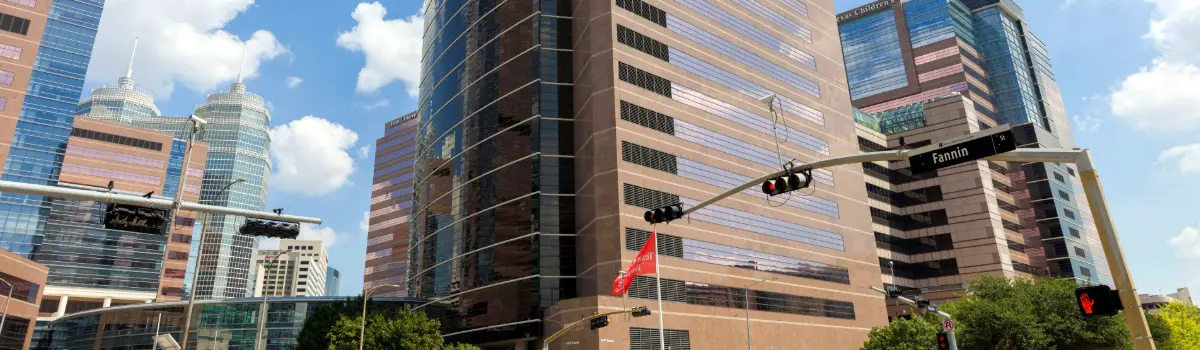
This is one of the most schedule-sensitive parts of Houston. Between West University Place, Southside Place, and the Museum / Med Center area, homes and buildings run on tight daily timing—school drop-offs, clinic shifts, campus traffic, and limited-access streets. Housing ranges from high-finish homes and remodels in West U to stacked laundry and compact installs in Southside, plus condos near the Med Center where access rules shape the visit. Because of that, many calls aren’t full failures—they’re performance drift that disrupts the routine fast.
Need help now? Call (281) 916-3118 or book online to get on today’s route.
West U / Southside / Museum–Med Center — quick summary
Most common in this cluster is schedule pressure + compact installs + managed access, not one dramatic breakdown.
- West U homes: finished interiors + built-ins + remodel layers → drift is noticed early
- Southside: tight layouts + stacked laundry → airflow and heat-path issues show up fast
- Med Center / Museum area: condos and mid-rises → parking, gates, concierge, elevators affect the visit window
- “It runs, but it’s not right” is common → best handled with verification, not resets
Before closeout, we confirm what matters: temperature recovery, drainage, heating, airflow, drying performance, and stable control behavior.
Fast symptom router (helps us route the right visit)
If you book online, add one of these notes. If you call, just say the line that fits.
- Fridge warm / long runtime / weak recovery (built-in or tight cavity)
- Dishwasher not drying / haze on glassware / odor
- Dryer taking too long / heat buildup / shutoffs (stacked laundry)
- Washer not draining cleanly / spin getting weaker
- After a power event — appliance “acting weird”
Quick booking note that improves the visit: “condo + elevator,” “stacked laundry closet,” or “built-in/panel-ready.”
Why this cluster behaves differently
From a service standpoint, this central Houston cluster behaves differently because access constraints, stacked installations, campus/medical traffic patterns, and shared-wall living influence appliance performance as much as component failure.
This isn’t one neighborhood pattern—it’s three service environments packed into one corridor.
West U: high-finish homes + remodel layers + built-in density
West U jobs often come from kitchens where cabinetry, ventilation, and panel-ready installs matter. Small changes get noticed quickly—cooling recovery, drying results, noise, and vibration. Many homes also have “remodel history,” which can change drain paths, venting, or how an appliance is seated in the space.
Southside: compact utility reality
Southside calls often involve tighter laundry and utility spaces. Dryers and washers here drift before they fail cleanly—long dry times, hotter closets, weak spin, slow drains—because airflow and fit-to-space installs are less forgiving.
Museum / Med Center: managed buildings and visit windows
Near the Museum District and Med Center, a lot of visits happen in condos and controlled-access buildings. Elevator rules, parking, loading entry, and concierge check-in can decide whether a job closes in one visit. Routing correctly here isn’t “nice”—it’s required.
What homes and buildings here do to appliance problems
In this cluster, installation and access are often part of the failure story.
1) Built-ins and tight cavities amplify recovery problems
A refrigerator can be “cold enough” until grocery load, warm days, or frequent door openings expose weak recovery. Dishwashers can complete cycles but drift in drying and finish quality when heat/moisture behavior isn’t stable.
2) Stacked laundry changes how dryers fail
Dryers often drift instead of failing abruptly: longer dry times, heat buildup, intermittent shutoffs. The right diagnosis checks airflow + heat path + sensing—then confirms performance.
3) Shared-wall living makes noise/vibration a real complaint
In condos and townhomes, small vibration becomes a big problem. Leveling, suspension wear, cabinet contact, fan noise, and airflow restrictions matter more here than people expect.
Proof of how we work here (the visit standard)
This corridor is sensitive to timing and finish-level handling. Our process stays calm and predictable:
- Diagnosis first → clear written estimate → repair after approval
- Floor protection and careful handling in finished interiors
- Route-aware updates: window → on the way → ETA
- Confirmation before closeout (performance, not “it powers on”)
Quick local examples (Symptom → Fix → Confirmed)
- Built-in fridge long runtime → airflow/recovery issue isolated and corrected → confirmed stable temperature recovery before closeout.
- Dishwasher finishes but won’t dry → heat/drain/moisture path corrected → confirmed proper heating + dry performance on a full cycle.
- Stacked dryer taking two cycles → airflow/heat path issue isolated → confirmed stable drying performance before closeout.
Areas & ZIPs commonly covered in this cluster
West U / Southside / Museum–Med Center service commonly includes:
- West University Place — 77005
- Southside Place / nearby pockets — 77025
- Museum District / nearby central — 77004
- Texas Medical Center area — 77030, 77054
- Common overlap when routes align — 77005, 77025, 77030, 77004
If you’re just outside one of these ZIPs, it’s still worth asking. Central routing overlap often makes nearby visits possible when timing allows.
Popular appliance repair requests in West U, Southside & Museum / Med Center
Use these quick links to jump to the specific service page.
How appointments work in this cluster
Call (281) 916-3118 or book online. Add your ZIP, preferred timing, and any notes that matter here:
- condo access: concierge, callbox, gate, elevator, loading entry
- parking rules or best entry point
- stacked laundry closet access
- built-in / panel-ready kitchen notes (tight cabinetry, undercounter units)
- anything that changed recently (power event, plumbing work, remodel)
Same-day is often possible when routes align. On arrival, the visit starts with correct diagnosis first, then a clear written estimate. Before the job closes, we confirm performance the way it needs to be confirmed—temperature recovery, drainage, heating, drying, airflow, spin, or stable control behavior depending on the platform.
What “good support” means here
Good support in this corridor is mostly about removing friction:
- realistic timing that accounts for access and central traffic patterns
- text updates from window → on the way → ETA
- clear communication if access rules change the plan
- one point of contact from scheduling through closeout
- a result that’s confirmed, not assumed
Questions or ready to schedule?
Call (281) 916-3118 or book online. Tell us the appliance, the symptom, your ZIP, and whether it’s built-in/panel-ready, stacked laundry, or a condo with access rules. The goal is to route the call correctly the first time — and leave the home with the appliance working the way it should.