
HVAC & AC Repair in Houston, TX
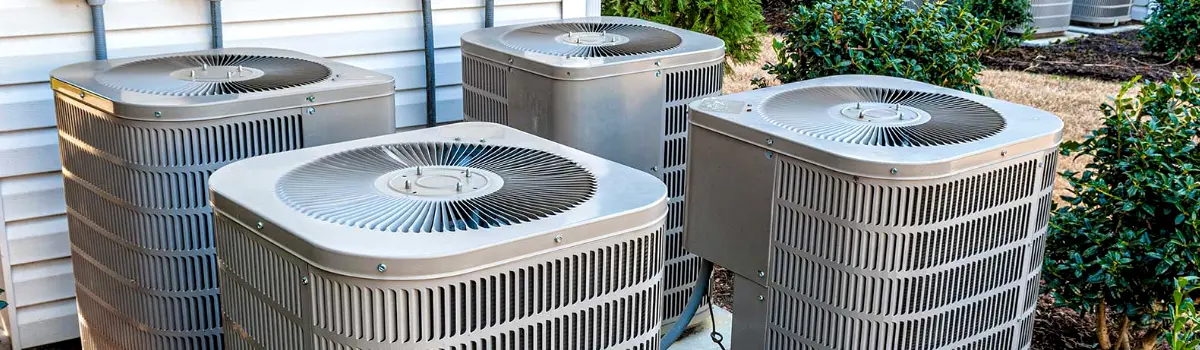
When AC starts slipping, the whole house feels it fast. Rooms drift warm, airflow feels weaker than it should, humidity starts hanging in the air, and the system runs longer just to stay behind the setpoint. In Houston, that does not stay a “small comfort issue” for long.
Houston Appliance Repair provides HVAC and AC repair in Houston, TX with one clear goal: restore stable cooling, clean airflow, and comfort that actually holds through the day — not just a system that turns on and sounds busy. That means diagnosing the real cause, correcting it cleanly, and verifying performance before the job is closed.
Need help now? Call (281) 916-3118 or book online. Share what you are noticing — not cooling, weak airflow, water leak, short cycling, noise, humidity, or one part of the house staying warm — and whether you have a central split system, heat pump, ductless mini-split, or air handler setup.
What the House Is Telling You
Most AC problems do not begin as total failure. They begin as drift.
- the house is not reaching setpoint
- some rooms stay warm while others feel overcooled
- airflow feels weak at the vents
- the system runs a long time in the afternoon
- humidity feels high even when the thermostat looks normal
- water shows up near the indoor unit
- the outdoor unit starts making new noise
- the system turns on and off too often
- comfort falls apart during the hottest part of the day
That is why a strong HVAC service page should reflect what homeowners actually experience before they decide to call.
Systems & Setups We Service
Different cooling systems fail in different ways, especially once airflow, drainage, controls, and installation conditions come into play.
Appliance and system types serviced include:
- central AC split systems
- heat pump systems
- ductless mini-splits
- air handlers
- furnace / evaporator coil combinations used for cooling
- single-zone mini-splits
- multi-zone mini-splits
- thermostat and control systems
- residential cooling systems in attic, closet, garage, and utility-room installs
- select light commercial cooling systems where applicable
If you are not sure what type of system you have, a quick photo of the thermostat and the outdoor unit label is usually enough.
Brands We Repair — Residential, Premium & Common HVAC Platforms
Houston homes use a wide range of cooling equipment, from standard builder-grade systems to premium and variable-speed platforms.
Common residential brands: Carrier, Trane, Lennox, Goodman, Amana, Rheem, Ruud, York, American Standard, Bryant, Payne, Tempstar, Heil, Coleman, and similar residential systems.
Premium and advanced platforms: Bosch, Daikin, Mitsubishi Electric, Fujitsu, LG, Samsung, and similar variable-speed, inverter, and ductless systems.
If your brand is not listed, that does not make the problem unusual. System type, airflow behavior, control logic, and the actual comfort symptom usually matter more than the badge on the equipment.
Why Houston AC Problems Get Worse Fast
Houston heat and humidity do not give cooling systems much room for error. A filter that is only partly restricted, a drain line that is only partly clogged, a coil that is only partly loaded with dust, or a thermostat that is only slightly off can all create bigger comfort problems than homeowners expect.
That is because AC is not just about making air cold. The system also has to move enough air, remove enough moisture, reject heat properly outside, and cycle in a way that keeps the house stable instead of chasing the load all day.
That is why the finish line is not “it runs now.” The finish line is cooling, airflow, and humidity behavior that feel normal again.
Real-World AC Problems
Running, But Not Really Cooling
This is one of the most common calls because it feels confusing. The system is on. Air is moving. The thermostat says cooling. But the house is not pulling down the way it should — especially in the afternoon.
In many cases, the system is producing some cooling but not delivering it effectively into the house. Airflow restrictions, dirty heat-transfer surfaces, long run times under heavy load, or distribution problems can all create the feeling of an AC that is “working” without actually keeping up.
Common causes include:
- clogged filters
- return-air restrictions
- dirty coils
- blocked or closed supply vents
- reduced airflow through the indoor side
- heat-load stress from attic, sun, or long afternoon demand
What a proper repair should accomplish:
The system should not just blow cooler air near one vent. It should move enough conditioned air through the house to actually pull the home toward setpoint under normal load.
Weak Airflow / Certain Rooms Stay Warm
Sometimes the main complaint is not temperature alone. It is delivery. One room stays warm. Another gets too much air. The vents feel weak. The system sounds like it is trying, but comfort is not reaching the rooms evenly.
That usually points to an airflow problem, not just a thermostat problem. Restriction, imbalance, blower-side issues, or duct conditions often show up first as room-to-room inconsistency.
Common causes include:
- restrictive filters
- dirty blower section
- duct leakage or crushed flex sections
- blocked registers
- return-air imbalance
- supply distribution problems
What a proper repair should accomplish:
Air should move more evenly and with more believable force, so the house cools like a system instead of a collection of random rooms.
Frozen Coil / AC Cools for a While, Then Fades
A very common pattern is this: the system cools somewhat, then airflow drops, performance fades, and eventually the house gets warmer even though the AC seems to be running harder.
That often points to coil icing, which is usually a symptom of something else — restricted airflow, dirty heat-transfer surfaces, blower issues, or operating conditions that let the coil run too cold for too long. Once ice starts building, airflow drops even more, and the system falls further behind.
Common causes include:
- dirty filter
- return or blower restriction
- dirty indoor coil
- long run times under heavy load
- airflow conditions that let icing develop
- control behavior that allows unstable operation
What a proper repair should accomplish:
The system should cool steadily without re-freezing. That means restoring the operating conditions that prevent the coil from icing again.
Water Leak / Wet Pan / Musty Smell
Water near the indoor unit is one of the highest-priority comfort calls because it can damage ceilings, drywall, flooring, and nearby finishes while also creating odor issues.
In many systems, the cooling side is still technically working while the drainage side is failing. Long run times, humidity, sludge buildup in the condensate line, or icing that later melts can all create leaks that seem to come and go.
Common causes include:
- clogged condensate drain line
- drain pan overflow
- coil icing that later melts into the pan
- heavy humidity and long cooling cycles
- float switch / safety interruption conditions
- poor drainage clearing during operation
What a proper repair should accomplish:
The line should drain cleanly, the system should run without overflowing, and the leak should stay gone under real cooling conditions — not just after a quick line clearing.
Short Cycling / Turns On and Off Too Often
Short cycling wastes energy, hurts comfort, and puts more stress on the system than steady operation. Some homes feel cool for a moment, then sticky again. Others never seem to settle because the system is constantly starting and stopping.
That usually means something about controls, airflow, protection behavior, or system response is off. On some systems, short cycles also reduce dehumidification because the equipment never stays on long enough to pull moisture out properly.
Common causes include:
- thermostat placement or control issues
- airflow restriction triggering protection behavior
- unstable sensor behavior
- oversizing-type symptoms in some homes
- electrical or timing problems
- control logic that is not maintaining stable run behavior
What a proper repair should accomplish:
The system should run in a steadier, more useful pattern — long enough to cool and dehumidify properly instead of constantly starting over.
Humidity Feels High Even When It Is “Cool”
This is one of the most misunderstood AC complaints. The thermostat may read close to the target, yet the house still feels sticky, heavy, or uncomfortable. People often describe this as “it’s cool, but it does not feel comfortable.”
That usually means the system is not managing moisture correctly. Humidity removal depends on airflow, run time, drain behavior, and stable cooling conditions. If any of those drift, comfort falls apart even when the temperature number looks acceptable.
Common causes include:
- short cycling
- airflow settings that move air too aggressively for moisture removal
- return-side issues
- long recovery patterns under heavy heat load
- indoor-side operating conditions that reduce dehumidification
What a proper repair should accomplish:
The house should feel drier and more stable, not just lower on the thermostat display.
Outdoor Unit Won’t Start / Starts Then Stops
This is often the moment homeowners switch from “maybe it’s struggling” to “now it’s really down.” The outdoor unit may stay silent, hum without fully starting, click and stop, or run only briefly before shutting back off.
That kind of failure is often a start, control, or heat-stress problem rather than something random.
Common causes include:
- start or run component problems
- electrical or control issues
- overheating from restricted airflow outside
- long-duty-cycle stress
- power-event damage after outages or surges
- unstable operating conditions that trigger shutdowns
What a proper repair should accomplish:
The system should start cleanly and stay running under normal load, not just restart once and fail again later.
Loud Outdoor Unit / New Buzzing or Vibration
Noise complaints often show up before total cooling failure. A new buzz, hum, rattle, or vibration usually means something is straining, mounted poorly, or transferring vibration more than it should.
Some of these are airflow-related. Some are mounting-related. Some are simply signs that the system has been working harder than normal for too long.
Common causes include:
- dust buildup increasing fan effort
- loose hardware or contact points
- vibration transferring through the pad or cabinet
- airflow restriction outside
- long-duty-cycle strain
What a proper repair should accomplish:
The unit should sound more stable and less stressed during normal operation, not just quieter for a few minutes while conditions are easy.
What We Repair
Common HVAC and AC repair issues include:
- no cooling
- weak cooling
- temperature drift
- weak airflow
- room imbalance
- frozen coil conditions
- condensate leaks and drain problems
- humidity-control issues
- thermostat and control behavior problems
- short cycling
- outdoor unit start failures
- unusual noise and vibration
- airflow and distribution problems
What Proper AC Repair Should Feel Like
After a correct repair, the system should feel believable again in ways the homeowner can actually notice:
- the house should pull down more normally
- airflow should feel stronger and more even
- fewer rooms should stay stubbornly warm
- the system should sound less strained
- humidity should feel more controlled
- leaks should stay gone through real operation
- the thermostat and actual comfort should make more sense together
- the home should feel stable again instead of always slightly behind the weather
That is a better benchmark than simply saying the AC “is running.”
How the Visit Moves
1. Start with the symptom
Not cooling, weak airflow, water leak, short cycling, high humidity, strange noise, or outdoor unit not starting.
2. Match the system correctly
Central split system, heat pump, mini-split, air handler, or thermostat / control problem.
3. Diagnose the actual comfort failure
Airflow, drainage, temperature delivery, cycling behavior, control response, or outdoor / indoor operating condition.
4. Approve the repair clearly
A written estimate comes first, with a straightforward explanation of what failed and what is needed.
5. Confirm real comfort performance
Cooling, airflow, drainage, and run behavior should make sense before the job is closed.
Proper-Fit Parts — When Replacement Is Actually Needed
HVAC systems rely on stable electrical behavior, correct control response, airflow support, and parts that match the system properly. When replacement is truly needed, the priority is correct fit, correct operating behavior, and reliable performance under the load the home actually experiences.
That matters especially for sensors, control components, motors, and other parts that directly affect how the system cools, cycles, and drains.
Why Homeowners Choose Houston Appliance Repair
Comfort problems tend to repeat when the real cause gets ignored. A line gets cleared, but the drainage issue stays. The house cools briefly, but the airflow problem stays. The thermostat gets blamed, but the real comfort failure is somewhere else in the system.
That is why service should feel calm, clear, and exact.
That means:
- real diagnosis instead of quick guesses
- clean, respectful in-home work
- clear explanation before repair begins
- verified cooling and airflow behavior before the visit is closed
- experience across common Houston home system types
A cooling system should not leave anyone guessing whether the house will stay comfortable through the next hot afternoon.
FAQ — HVAC & AC Repair in Houston, TX
Q: Why is my AC running but the house is still warm?
A: Most often because the system is producing some cooling but not delivering it effectively — usually due to airflow restriction, dirty heat-transfer surfaces, or load-related performance problems.
Q: Why is there water near my indoor unit?
A: Usually because of a condensate drainage issue, overflow, or icing that later melts into the drain pan area.
Q: Why does one room stay warm even when the thermostat looks okay?
A: That often points to airflow imbalance, duct issues, blocked delivery, or return-side problems rather than a simple thermostat issue.
Q: Do you work on mini-splits and heat pumps?
A: Yes. Ductless systems and heat pumps are part of regular service work and are diagnosed differently from standard central split systems.
Q: What should I check before calling?
A: A clean filter and unobstructed vents are worth checking. If cooling, airflow, drainage, or noise still feel wrong, the next step is diagnosis — not more guessing.
Houston Areas & ZIP Codes
- Katy
- Sugar Land
- The Heights
- Bellaire
- Westchase
- Cypress
- Clear Lake
- Downtown
- Uptown
- Kingwood
- Memorial
- Midtown
- Pasadena
- Pearland
- River Oaks
- The Woodlands
- Washington Corridor
- West University
Schedule HVAC & AC Repair in Houston, TX
If the house is not cooling, airflow feels weak, water is showing up near the system, or comfort keeps falling apart by afternoon, it is time to correct the real cause.
Call Houston Appliance Repair at (281) 916-3118 or book online. Share the symptom, the system type, and what you have noticed about timing, airflow, or leaks, and the visit can be routed correctly from the start.