
Each area page reflects how service works in that part of Houston—key corridors, realistic arrival windows, and the access details that matter in real homes and buildings. If you’re just outside a listed ZIP, it’s still worth reaching out—route overlap often allows nearby visits when timing aligns. Call (281) 916-3118 or book online to get on today’s route.

I-10 / Katy Freeway west side—Katy, Cinco Ranch, Energy Corridor edges, and nearby west neighborhoods.

Fort Bend south-west—US-59/I-69, Hwy 6, and the Sugar Land–Missouri City corridor.
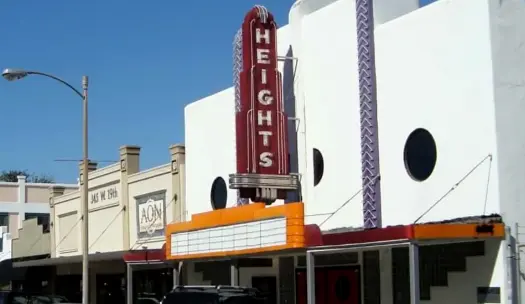
Inside-the-Loop north—Heights, Woodland Heights, and the near-north pockets along 610 and I-45.
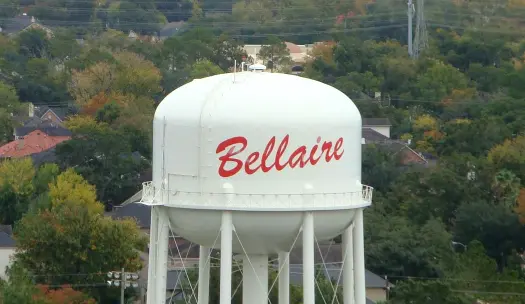
Southwest inside-the-Loop—Bellaire, Meyerland, and the 610 / 59 / 90A area.
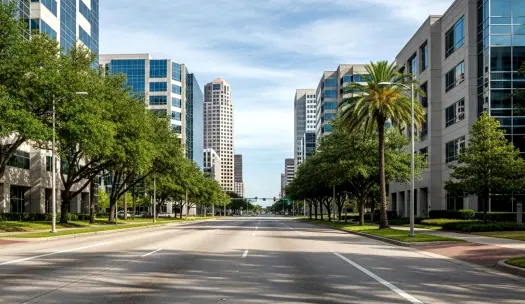
West-southwest corridor—Westchase district plus Bellaire Blvd/77036 area and nearby Sharpstown.
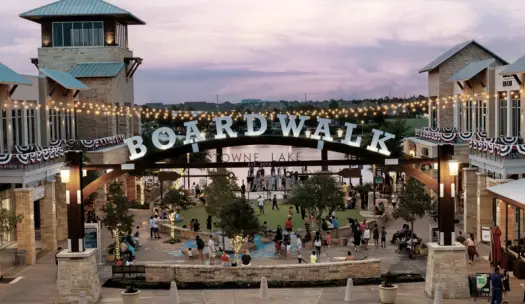
US-290 northwest—Cypress and Jersey Village with surrounding NW Houston neighborhoods near Beltway 8.
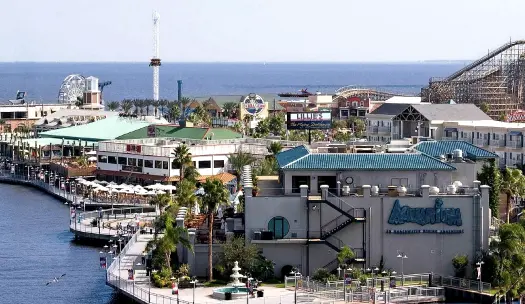
Southeast Bay Area—Clear Lake City to Webster, League City, and nearby waterfront communities.

Central east—Downtown core, EaDo near the stadium corridor, and the East End neighborhoods beyond.
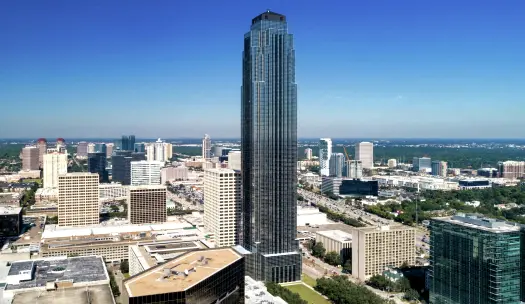
West Loop core—Galleria/Uptown district with Tanglewood-adjacent neighborhoods along 610 and Post Oak.
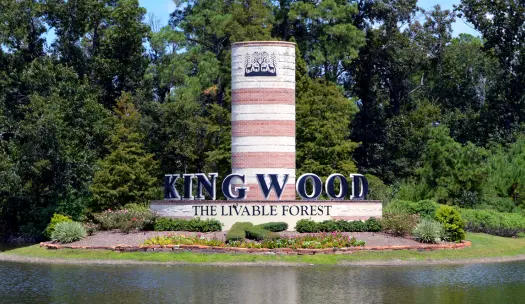
Northeast Lake Houston—Kingwood, Humble, and Atascocita along I-69/US-59 and FM 1960.
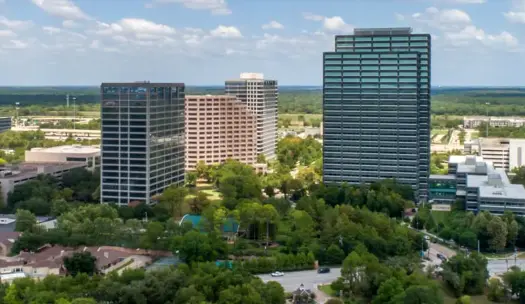
I-10 west corridor—Memorial area through Spring Branch into the Energy Corridor near Beltway 8.
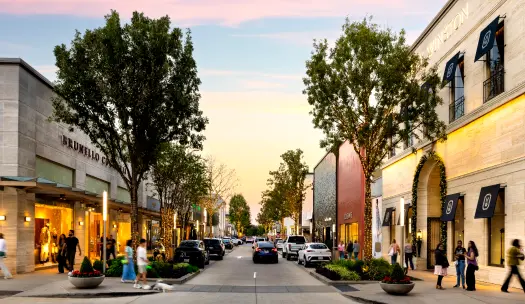
Central inside-the-Loop—River Oaks and Upper Kirby with the Greenway/59 corridor.
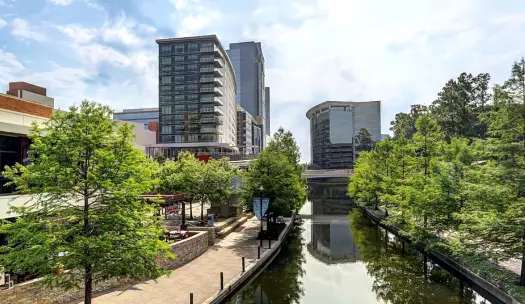
North of Houston—The Woodlands area plus nearby north suburbs along I-45 and the Grand Parkway.
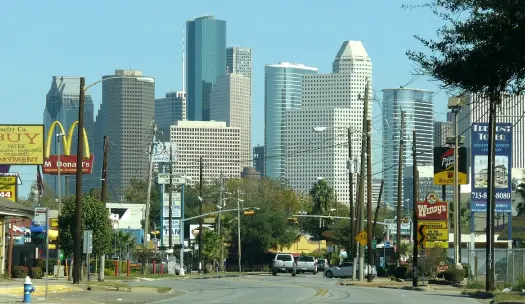
Inner-loop central—Midtown to Montrose/Neartown, just west of Downtown along the 59/45 split.

East of Houston—Pasadena and Deer Park out toward Baytown along the 225 and ship-channel corridor.
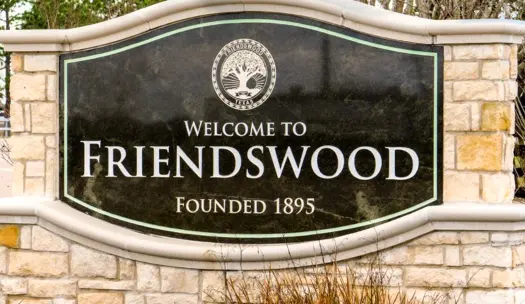
South of Houston—Pearland on the 288 corridor and Friendswood near FM 518 / I-45.
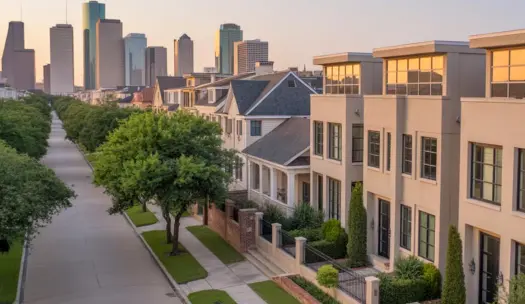
Inner-loop west—Washington Ave corridor and Rice Military near Memorial Park and I-10/610.
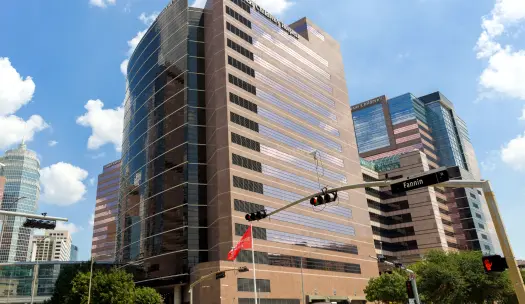
Central south—West U and Southside Place near Rice University, Museums, and the Texas Medical Center.
How our Houston routes are grouped, what ZIP lists mean, and what to include so your visit is scheduled correctly.
Because routing is different by corridor and neighborhood access. Clusters let us build realistic arrival windows instead of guessing across the whole metro.
Often, yes. The ZIP list shows the most common coverage for that route, but nearby overlap is normal. Call (281) 916-3118 or shedule appointment and add your ZIP—we’ll match you to the closest route.
Your ZIP, the appliance, one symptom line, and any access notes (gate, callbox, concierge, elevator, parking, stairs). That’s what makes routing accurate.
Yes—just include the access rules (garage/valet, concierge, loading, elevator windows). The visit has to be planned to fit building requirements.
Same-day is often possible when routes align. The fastest way to check is to share your ZIP and symptom—call (281) 916-3118 or shedule appointment and we’ll confirm options.
Tell us what the appliance is doing and any access notes. We’ll handle the rest—start to finish.